NEWSLETTER • September 3, 2026
As summer winds down, the recent cooler temperatures have made it feel like fall is right around the corner. Opening Day on November 20 will be here before we know it!
In the meantime, we are wrapping up hiring efforts, returner offer letters are progressing, and new opportunities will be coming soon. This edition also includes a podcast featuring our own Tami Lyon, as well as an insightful article on observational awareness from Canadian Ski Quest.
RETURNER OFFER LETTERS
We have 85 instructors in the “Returner Pool” who have not accepted or declined their offer letters by the September 1 deadline!
Are you one of them? If you have not accepted or declined your offer, we have extended the deadline for you!• Go to: epicemployee.vailresorts.com
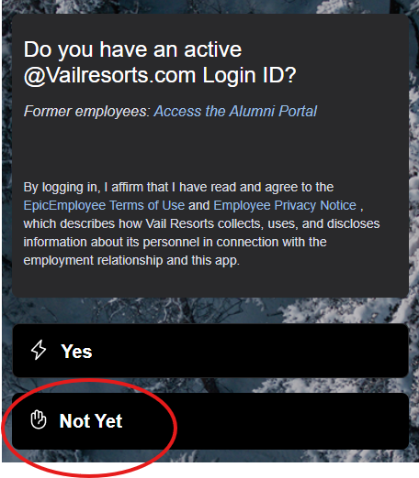
Click “Not Yet”
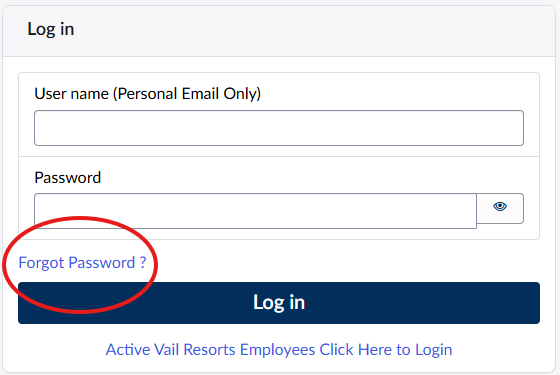
• Click “Forgot Password?”
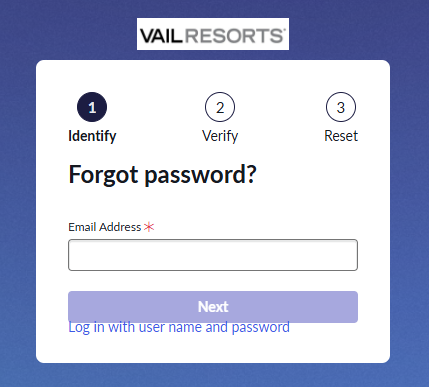
Enter your personal email address
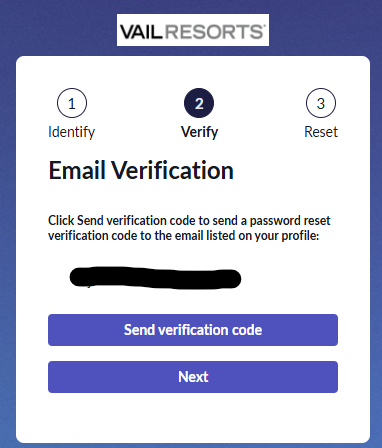
• Click “Send Verification Code”
Check personal email for verification code, enter verification code
• Reset password
• Log back in to Epic Employee, select “Not Yet” • Enter your personal email address as your username and the new password you just created.
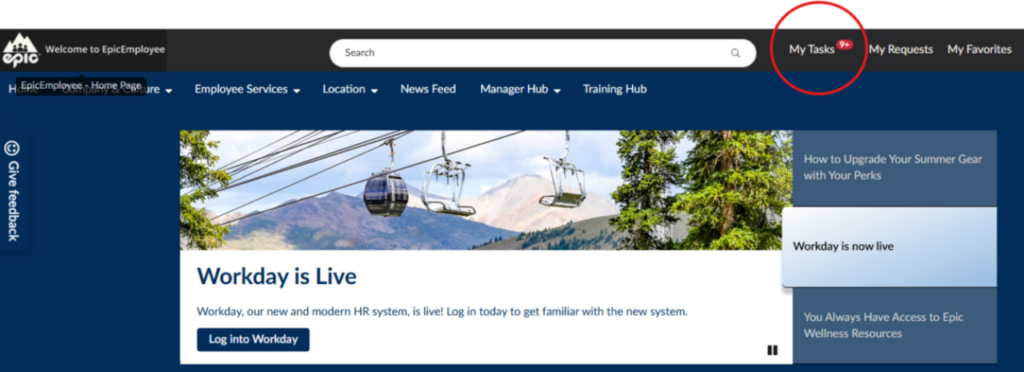
Click on “My Tasks to accept or decline your offer.
Within a few minutes of accepting your offer, you will receive 2 more tasks: Background Check or Law Violation Question and Employee Housing Link. Complete those and your Pre-Boarding is complete!
SRS LEADERSHIP UPDATES
NEW & EXCITING! The former Supervisor roles have been reclassified as Assistant Manager positions. That means new ways of working, new opportunities, more fun, new challenges.
We will have some openings for Assistant Manager positions.
The job postings will be available in the coming days. If you are interested, you can review the job description and submit your application here:
https://jobs.vailresortscareers.com
LET’S CELEBRATE NEW ADVENTURES
Celine Holzer is chasing a new passion – she is in the process of applying to become a Forest Ranger in Up State New York! Best wishes on the new adventure, Celine! Richard Panushka is returning to his Austrian roots and teaching skiing in Europe! So very jealous of this incredible move and super excited for what sounds like an incredible adventure. We’ll be looking forward to lots of envy shots from Austria. Enjoy Richard!
DELIVERING ADVENTURE PODCAST

Tami was recently featured on the Delivering Adventure podcast.
Check it out here: Giving Feedback Effectively with Tami Lyon
Key Takeaways
How we can deliver feedback more effectively:
Start With the Right Mindset: Avoid being angry and confrontational. Instead, we should go in with the attitude that we are trying to help the people we are giving feedback to, to become better.
Communicate Intentions: When we communicate that our intention is to help people to become even better, it can take away any belief that we are just trying to put people down or to criticize them. This can reduce defensiveness and increase buy in.
Connect Feedback to Goals: Linking the feedback to the overall goal can also make it less personal and more objective. An example is having someone agree that they want to do something better and then linking feedback to achieving that objective.
Be Adaptable: It is really important to adapt our communication style to the person and the moment. Some situations call for a less direct, softer approach while some people prefer that we get to the point quickly.
Be Prepared: Knowing what we want to say beforehand can make the experience less stressful for us and can help us to convey more competence to the other person. There is nothing worse than fumbling your words or back tracking when giving important feedback.
Grow Model: G – this is what was your goal, R – this is what is the reality, or what is going on or has been happening, O – this is what options exist, W – this is what the way forward is or the plan.
SBI Model: Situation, behavior, impact. Step 1: Describe the Situation. Step 2: Describe the behavior you observed. Step 3: Describe what you thought or felt in reaction to the behavior. Consider Needs: Feedback is about building connection. Building strong connections between people requires that we understand who they are, what their needs are and what they need to accomplish
OBSERVATIONAL AWARENESS

The Professional Instructor’s Mandate: Constant Observational Awareness
Observation is the quiet superpower of an exceptional snowsports instructor. Technique, tactics, and teaching models all matter—but the ability to notice is what elevates an average session into a transformative experience for our guests.
Every effective Pro is constantly adjusting their approach based on what they see, hear, sense, and interpret. Observation complements every layer of CSIA training and every hour spent teaching in a Snowsports School. And the potential to sharpen this skill never ends.
When assessment skills, development strategies, and clear lesson structure meet strong observational awareness, the guest experience becomes smoother, safer, and far more meaningful. Great instructors are always watching, always processing, always adapting.
You can begin strengthening this skill simply by acknowledging it. Notice when you make an observation, however small. Give yourself quiet credit for catching it. Each one helps you shape a better session.
Phase 1: Pre-Lesson Observations — Laying the Foundation
Observations begin before you even click into your bindings. On your way to the resort, start paying attention.
Snow and weather: Your first scan of conditions already influences the shape of your lesson. Anticipate lift lines, visibility, terrain options, and challenge levels. Decide whether the day leans toward terrain exploration, speed progression, or a back-to-basics technical focus.
Arrival at the resort: Observe how busy it is. Use this to choose lifts, runs, and break times. Know your resort patterns: where crowds rush on powder days, which groomers attract traffic on bluebirds, and where you can find quieter terrain.
Grooming and visibility: A daily check of the grooming report is essential. Knowing what’s groomed—and what isn’t—can prevent unprofessional surprises. Keep visibility in mind too; it dictates where and how your guests will feel safe and confident.
All of these early observations quietly set the tone for the experience you’re about to deliver.
Phase 2: The Meeting Area — Assessing Readiness
At the Snowsports School meeting point, observation becomes more personal.
Emotional state: Are your guests buzzing with excitement or holding back with uncertainty? Let this guide your warm-up terrain and first challenges.
Physical state: Fresh and loose, or tight and tired? Terrain choices should reflect their readiness. If they’re energized, start with a terrain-based challenge. If they’re fatigued, lean into easier technical tasks.
The critical safety check: Most ski injuries happen when emotional excitement collides with physical exhaustion. If you observe this combination, shift toward low-terrain/high-control experiences or return to foundational skills. Safety comes from reading the whole skier, not just the slope.
Phase 3: During the Lesson — Adaptation and Flow
Once the lesson is in motion, observational awareness becomes your steering wheel.
Safety factors: Crowds, visibility, snow surface, changing conditions—each requires small course corrections. Stay adaptable.
Feedback flow: Are guests offering insights freely, or do you have to draw it out? – If feedback is scarce, use a directive approach: tell them what to do, how to do it, when, and why. – If they’re engaged and reflective, guide them with questions so they can discover the skill internally.
One approach rarely fits an entire group. Adjust for individuals while still guiding the group as a whole.
Group dynamics: Notice who’s talking, who’s quiet, who’s dominating, who’s drifting to the edge. Strong group chemistry rarely happens on its own. Use your observations to redirect attention, build connection, and prevent negative dynamics from forming.
Skill development: When you see improvement—acknowledge it publicly. Positive reinforcement rooted in real observation boosts confidence and accelerates learning.
The vibe: Is the group in a flow state? Ride it. Push into new challenges. Is the energy dipping or the learning unclear? Shift gears. Sometimes they need mileage. Sometimes they need clearer explanations. Ask when you’re unsure.
Every decision you make should be tied to what you’re observing—not to a rigid idea of what “should” happen next.
Phase 4: Wrap-Up — Ending with Intention
Back at the meeting area, take one last observational snapshot.
How energized are they? Are they glowing from a breakthrough? Are they close to a skill but not quite there yet?
If they’re buzzing, ask a single reflective question to anchor what they learned. If they’re on the edge of a breakthrough, summarize what you worked on and why, so they leave with clarity.
A strong wrap-up is built on the observations you’ve been making all session long.
The Instructor’s Edge
When your observational skills are sharp, everything else in your teaching becomes smoother. Decision-making is faster. Learning flows naturally. Guests feel seen, understood, and supported.
Observation isn’t a separate skill. It’s the thread that holds the entire lesson together. By: Mark Impey